Tariff Tides: How Trump’s U.S. Tariffs Are Raising Prices on Smartphones & PCs

As of early 2025, former President Donald Trump has reignited a sweeping tariff regime targeting consumer electronics—most notably smartphones and personal computers. Under a layered structure of reciprocal and China-specific duties, prices across the tech supply chain are poised to surge, affecting both manufacturers and everyday consumers.
Tariffs introduced after Trump’s inauguration in February have raised baseline import duties from just 2.5% to as high as 27%, representing the highest U.S. tariff levels in over a century . These include 25% levies on Canada/Mexico and 10% on China, though food and energy received limited exceptions. A broader tranche of “reciprocal tariffs” followed in April, escalating taxes up to 50% depending on bilateral trade imbalances .
Amid intense industry pushback, smartphones, laptops, PCs, and select electronics were temporarily exempted on April 11, halting the steepest incoming tariffs . Nevertheless, all Chinese goods still incur a base 20% IEEPA tariff, meaning smartphone imports from China—even if nominally exempt—are still taxed . Meanwhile, Trump has threatened future increases—hinting at restoring 15–20% reciprocal duties and expanding sanctions on other trading partners .
Supply Chains in Motion
U.S. Census Bureau data from May 2025 reveals a dramatic realignment: Chinese smartphone exports dropped from 67% to just 8% of U.S. imports over the past year . In response, manufacturers have relocated production to lower- or no-tariff countries like India and Vietnam—which now lead U.S. smartphone exports—yielding a $2.6 billion drop in Chinese exports during that month alone . Similar shifts are underway in the PC sector, where Chinese imports plunged 82%, while Vietnam and Thailand captured share .
Yet reshoring to India, Vietnam, or the U.S. carries its own cost—higher wages, infrastructural constraints, and transitional friction—forcing manufacturers into tough trade-offs.
The Cost Is Coming: Consumer Prices on the Rise
Even before the tech tariff exemptions, analysts projected steep price increases. The Consumer Technology Association (CTA) forecasted average hikes of 31% for smartphones, 34% for laptops and tablets, and a staggering 69% for game consoles .
These numbers are grounded in reality: Counterpoint Research estimates that Apple may need to raise iPhone prices by at least 30%, given the combined Chinese and reciprocal tariffs . Under a worst-case 145% tariff scenario, top-tier iPhones could cost up to $2,300—up from a typical $1,600 .
S&P Global Ratings asserts that manufacturers will pass most of the increased costs to consumers—regardless of demand—even if it suppresses sales . Business Insider reports that imported goods prices rose about 3% between March and June 2025, and domestic items tied to these components rose some 2% . Meanwhile, Goldman Sachs warns that 70% of tariff costs may end up in consumer prices . Collectively, U.S. households might lose an estimated $3,800 this year due to sweeping tariffs affecting staples like clothing, food, and electronics .
Inflation Ripple Effects
As costs rise, “cost-push” inflation is already visible in raw-material-heavy sectors like steel and aluminum—where prices jumped nearly 30% from January to May . The Manheim Used Vehicle Index paints early signs of inflation spilling over rent and services prices . With tariff policies fluctuating—and staying unpredictable—businesses are increasingly cautious about investments, potentially slowing economic growth .
What It Means for You
If you’ve been eyeing a new smartphone, laptop, or console, consider this your warning: prices may shoot up later this year. WIRED recommends buying before tariffs fully land—citing lead times for price transmission as around June–July 2025 . With manufacturers slowing shipments in anticipation, retailers could draw down existing inventory at current prices—just not for long.
Shop early, especially for big-ticket electronics. Once tariffs deepen and inventory bottoms out, expect price tags to climb significantly—likely by at least 20–30%, if not more.
Longer-Term Outlook: Repair, Diversify & Adapt
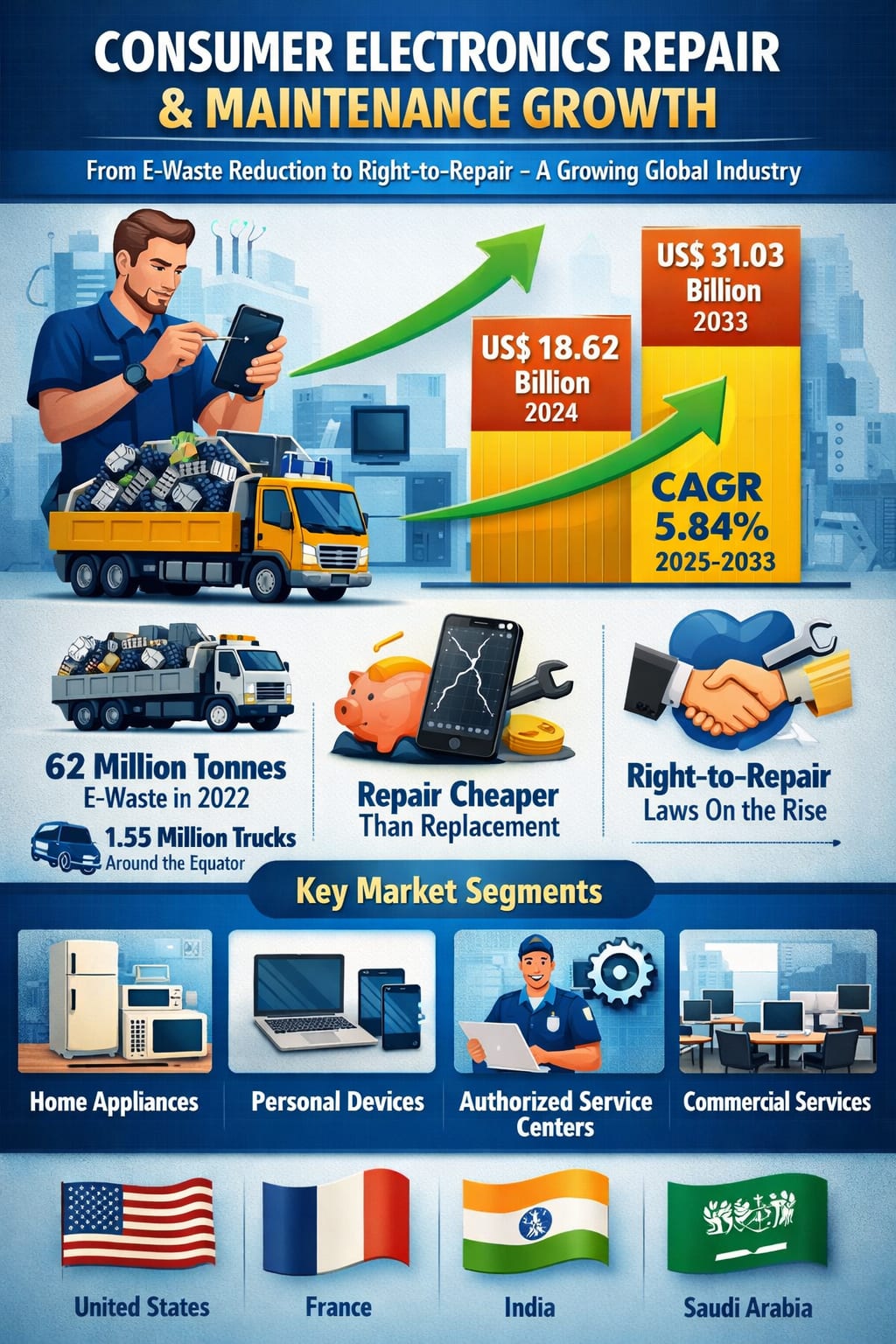
Industry voices like iFixit argue tariffs reinforce the importance of the Right to Repair. As new device prices surge, maintaining and upgrading current electronics becomes more cost-effective . This could mark a shift toward sustainability—prolonging gadget lifespans rather than chasing new releases.
Meanwhile, companies are accelerating supply diversification—relocating production to India, Vietnam, and increasingly the U.S. Apple, for instance, is ramping smartphone manufacturing in India to avoid some tariffs . But the transition is costly and takes time, meaning elevated prices may persist into 2026, even as some burden shifts off China.
The Takeaway
Trump’s tariffs have set off a ripple across global tech markets—from disrupted supply chains to looming price hikes on devices we rely on daily. Even with temporary exemptions, hard costs haven’t vanished. For U.S. consumers, now may be the best moment to shop before tariffs bite deeper. Meanwhile, long-term strategies like repair-friendly policies and manufacturing realignments are gaining traction—and may reshape the electronics landscape well into the next decade.
link