How Mobile Technology Is Transforming the Way We Move Money

Over the past decade, payment systems have undergone a dramatic transformation. The advent of mobile technology has not only introduced new digital wallets and biometric authentication but has also paved the way for instant transactions. As we approach 2026, these changes are set to redefine how both consumers and businesses manage money. With the increasing demand for speed and security, instant payments are rapidly replacing outdated batch-processing methods and long settlement delays.
In this evolving ecosystem, mobile apps and integrated payment platforms are becoming the backbone of financial transactions. These systems allow funds to be transferred in real time—even outside of traditional banking hours. As reliance on smartphones increases, so does the expectation for immediate, seamless experiences in every aspect of digital life.
The Evolution of Instant Payment Systems
In earlier payment models, transactions would often settle after a series of delayed processing stages. However, the past few years have seen a dramatic shift. Financial institutions and tech companies are now investing in real-time payment (RTP) systems that allow for near-instantaneous money movement. The integration of advanced mobile technologies supports continuous processing capabilities throughout the week, including weekends and holidays. This trend has a profound impact on how funds flow in both personal and commercial environments.
The evolution is driven by the necessity to harmonize user expectations with secure and efficient financial operations. Modern payment systems now rely on advanced encryption, tokenization, and multi-factor authentication, ensuring that instant payments are not just fast but also secure. These improvements mark a significant departure from past practices where lag time and security concerns often dampened consumer confidence.
Mobile Technology as the Catalyst for Change
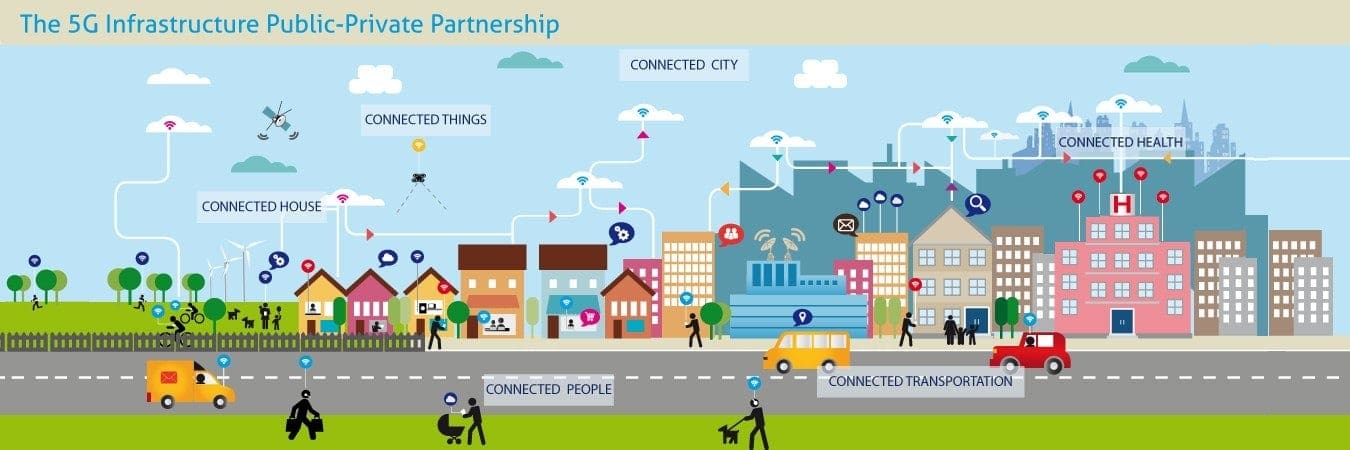
Mobile technology today acts as a pivotal catalyst in transforming payment methods. By merging the ubiquity of smartphones with improved banking infrastructures, consumers can now carry out transactions virtually anywhere and at any time. As high-speed networks evolve and 5G becomes increasingly common, the foundation for fast digital payments is being solidified. Innovations such as Near Field Communication (NFC) and app-integrated biometric systems further enhance the user experience, ensuring that transactions are both frictionless and highly secure.
This momentum extends beyond traditional retail; even the online gaming and casino sectors have embraced the instant payment revolution. Many digital platforms now incorporate features that allow for rapid winnings and settlements. For instance, some of the services recognized as the best instant withdrawal casino seamlessly integrate fast digital payments into their operations. The ability to withdraw funds almost immediately influences consumer behavior and increases engagement, drawing parallels with how mobile banking has reshaped everyday money management.
The convergence of mobile hardware, sophisticated software, and robust network infrastructures is creating a landscape where delays in financial transactions are virtually nonexistent. With user interfaces that are both intuitive and secure, the risk associated with daily payments has declined, setting the stage for a new norm in digital transactions.
Industry Trends and Future Outlook
Looking ahead to 2026, industry forecasts predict that real-time payments will become the standard across multiple sectors. The underlying technologies are expected to evolve further, incorporating artificial intelligence and machine learning to better detect fraud and personalize financial services. These advancements are set to enhance customer experiences across the board, from retail transactions to corporate treasury management. Data from leading financial institutions indicates that real-time payment systems are anticipated to revolutionize liquidity management and cash flow operations for businesses.
A detailed analysis provided by a well-known financial institution explains how real-time payment systems have reduced settlement times and transformed cash flow processes. For instance, processes that once took days can now be completed within seconds, setting a new benchmark for competitive market dynamics. More detailed coverage on this transformation is available in an authoritative resource on instant payments at JPMorgan’s breakdown of real-time payments.
As digital wallets and contactless payments continue to gain traction, additional trends emerge that are reshaping consumer expectations. Industry leaders such as Mastercard have highlighted a surge in the adoption of mobile payment solutions, attributing this growth to the seamless and rapid transaction experiences that modern consumers demand. A recent industry outlook frames the evolution of payments as a key factor for future financial stability, along with considerations for digital security and regulatory compliance. Additional statistics and projections are available with further details at Mastercard’s 2026 payment trends coverage.
Challenges, Regulatory Insights, and the Road Ahead
Despite rapid advancements, challenges remain in the transition toward a fully digital payment ecosystem. Security, privacy, and regulatory oversight are continuous concerns that require equally advanced technological solutions and proactive industry collaboration. Ensuring that transactions remain secure while maintaining the rapid pace demanded by consumers is a delicate balance. Incorporation of blockchain technology and decentralized ledgers is already being explored to further enhance transaction security and transparency.
Regulators are also playing a pivotal role in shaping the future of instant payments. With governments worldwide initiating reforms to modernize payment infrastructures, policy changes are facilitating smoother transitions from traditional systems to real-time models. These regulatory adjustments not only aim to protect consumers but also to create a more competitive market environment. Financial watchdogs and industry bodies continue to stress the importance of maintaining robust security protocols in tandem with technological innovation.
In parallel, the convergence of diverse sectors—ranging from online entertainment to financial services—further validates the necessity of a unified approach towards fast digital payments. An internal review of tech trends shared on Android Headlines’ news section highlights several emerging trends that harmonize user demands with technological capabilities across different channels. This synergy is setting the stage for a future where mobile payments are not just a convenience but an essential component of everyday life.
As the digital landscape continues to evolve, consumers and businesses alike must be prepared to navigate the challenges and opportunities presented by instant payment technologies. The transformation isn’t limited to the speed of transactions, but extends to a complete overhaul of financial ecosystems worldwide. Success in this rapidly evolving arena will depend on the collective efforts of innovators, regulators, and industry stakeholders working in unison.
The Promise of a Seamless Financial Future
The journey towards a truly instantaneous payment ecosystem is well underway, and its potential impact is enormous. In an era where every second counts, the ability to move money without delay translates into increased efficiency, reduced operational costs, and an overall enhanced consumer experience. The interconnection of mobile technology with financial systems not only streamlines the process of transferring funds but also opens up new avenues for value-added services.
As 2026 draws nearer, expectations are high that these technological advancements will further democratize access to financial services, empowering consumers worldwide. Transformational changes are anticipated in areas ranging from everyday retail transactions to high-stakes corporate finance. The ripple effects of these innovations on economic activity are expected to be profound, driving growth and fostering a competitive edge for early adopters.
Ultimately, the collaborative ecosystem of mobile technology, advanced security protocols, and innovative payment solutions promises a seamless financial future, where instant payments become the new standard. This future holds the potential to revolutionize how money moves across the globe, creating opportunities for enhanced consumer trust, improved liquidity management, and greater overall economic efficiency.
link