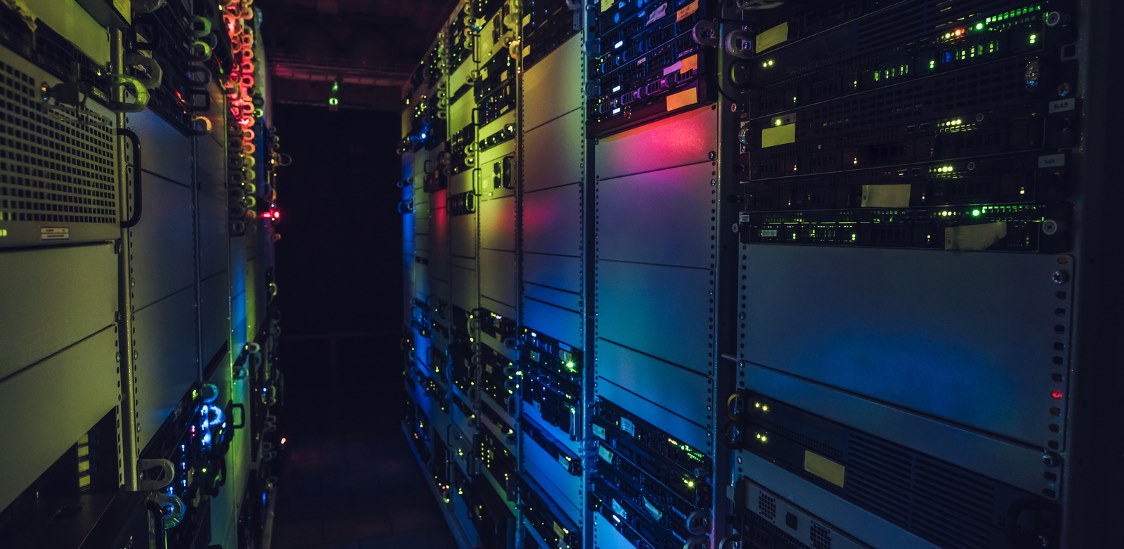
FBA highlights the need for a more robust middle-mile network infrastructure

Understanding new usage realities
A key problem with today’s middle-mile networks is that they don’t take into account how consumers use bandwidth today.
While middle-mile networks are key to delivering high-speed, reliable connections, FBA found that many middle-mile networks today are built using outdated assumptions about household bandwidth needs.
FBA’s research (collected from survey responses from 38 network operators across 25 states) revealed that many current infrastructure projects still rely on old models of user behavior. The organization maintains that forecasts should be designed around real-world broadband application demands that drive higher peak-hour usage across all demographics, like more devices per home, heavy streaming, telehealth, and AR/VR/AI.
In its new research paper, “Middle Mile Networks: The Backbone and Highway to Affordable Broadband Innovation” reveals that middle-mile networks have been built using outdated assumptions about household bandwidth needs, and to meet modern broadband demands, they require designs based on real-world trends rather than diluted averages.
“While public reports suggest peak-hour usage of 15–20 Mbps, real-world observations show active households often exceeding 100 Mbps,” wrote the FBA in its report. “This discrepancy underscores the need to design middle-mile infrastructure based on real-world concurrency trends rather than diluted averages.”
New partnership approaches
To expand middle mile infrastructure, there’s a growing need to consider various collaborative and design-focused approaches.
Communities can consider partnering with local service providers to enhance route redundancy and participate in joint middle mile initiatives.
“These partnerships help build more resilient networks with multiple pathways, reducing the risk of outages and improving overall service reliability,” FBA said.
Another method is to work with state agencies, such as the Department of Transportation (DOT), which can provide access to existing infrastructure and rights-of-way (ROW).
One example FBA points to is Utah’s partnership with the Utah Department of Transportation (UDOT), which has expanded middle-mile networks by sharing fiber lines along interstate highways.
FBA said this has resulted in two key benefits—”maximizing resource utilization and reducing deployment costs.”
In rural markets, service providers can find benefits from forming regional consortia or cooperatives to jointly invest in and manage middle mile networks.
Gupta wrote in a 2023 Broadband Communities article that this model “not only reduces individual capital burdens but also enhances network reach, redundancy, and service quality.”
He added that rural service providers can also “overcome geographic and financial barriers, ensuring that even the most remote communities are connected to high-capacity, future-ready broadband infrastructure.”
Having robust middle-mile infrastructure has a rippling effect, enabling various benefits not only for the service provider that owns it but also for the community where it resides.
For the ISP, the benefit is that they can cut backhaul costs. Often, rural providers had no other option but to try to connect with a large Tier 1 provider, which was an expensive proposition.
“Owning middle-mile routes allows ISPs to reduce recurring backhaul costs and improve EBITDA margins, which directly enhances company valuation,” FBA wrote. “These assets also increase operational control, enabling providers to scale capacity, improve redundancy, and negotiate better transit terms.”
link