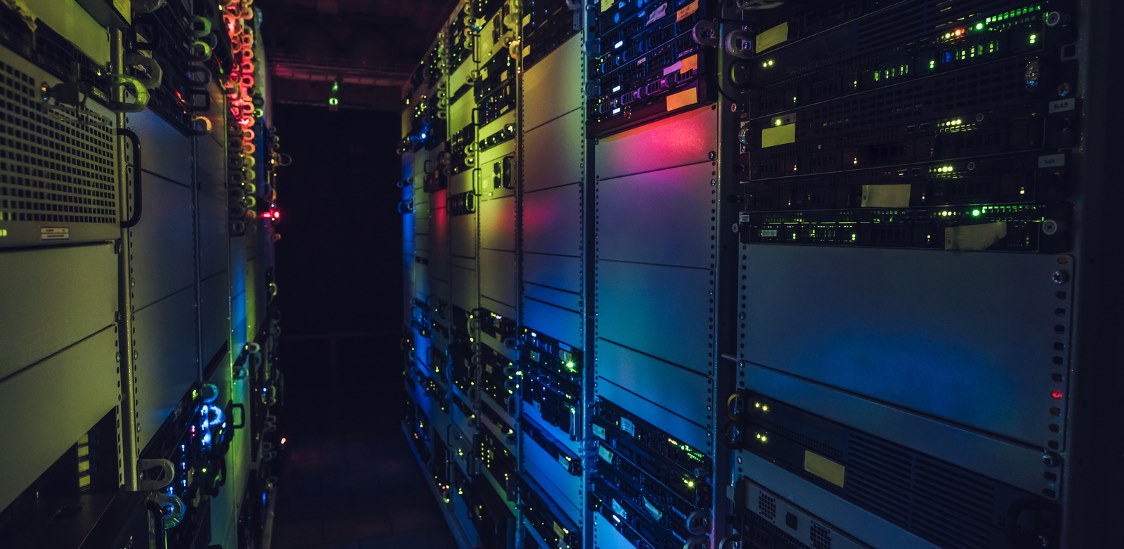
DePIN’s Real-World Utility: Why Physical Infrastructure Matters

Physical infrastructure makes DePIN valuable because it meets real needs. However, it also introduces costs, maintenance, and regulatory complexities that digital-only projects don’t face.
DePIN Tokens vs Infrastructure: What Is the True Source of Value?
In DePIN, tokens are essential, but they are not the source of value. Tokens are simply a way to reward infrastructure providers.
Understanding the relationship:
This is a crucial concept because many people confuse token value with real utility. DePIN shows that token value depends on real infrastructure and actual demand.
How DePIN Is Different from Traditional Infrastructure
Traditional infrastructure is built and managed by centralized organizations. For example:
-
Internet service providers build towers.
-
Governments install sensors.
-
Energy companies build power grids.
DePIN changes this model by decentralizing infrastructure ownership. Anyone can deploy hardware and earn rewards.
Benefits of decentralization:
-
Faster infrastructure deployment
-
Lower cost due to competition
-
Increased innovation and flexibility
-
Better coverage in underserved areas
Real-World Use Cases: DePIN in Action
Here are practical examples of how DePIN works in the real world:
A. Decentralized Internet
People deploy hotspots to provide connectivity, especially in remote or underserved regions.
B. IoT Sensor Networks
Sensors collect data such as air quality, temperature, traffic, and water levels.
C. Energy & EV Charging
Community-run charging stations allow EV owners to charge across cities without relying on centralized networks.
D. Satellite Internet
Users deploy satellite terminals to provide connectivity in areas with no infrastructure.
These use cases prove that DePIN’s utility is real and practical.
DePIN and Real-World Data Verification
One key advantage of DePIN is that it relies on real-world data verification.
How verification works:
-
Devices report performance
-
The blockchain stores data
-
Users can verify service quality
-
Providers receive rewards based on verified data
This creates transparency and trust, which are essential for long-term adoption.
Conclusion: Physical Infrastructure Is the True Foundation of DePIN
DePIN is a breakthrough because it connects blockchain technology to real-world infrastructure. The real utility of DePIN comes from physical devices that provide actual services like connectivity, data, and energy. Tokens act as incentives, but the true value is created by the physical infrastructure.
In the future, DePIN could transform how we build and manage infrastructure, making it more decentralized, efficient, and accessible.
People Also Ask: Common DePIN Questions Answered
Here are common questions people search for online:
Q1. What is DePIN?
DePIN stands for Decentralized Physical Infrastructure Networks. It uses blockchain to reward people for deploying real infrastructure.
Q2. What is the main purpose of DePIN?
The purpose is to build decentralized infrastructure that provides real services.
Q3. What makes DePIN valuable?
Physical infrastructure and real-world demand create value.
Q4. Can DePIN replace traditional infrastructure?
Not entirely, but it can complement and improve it by decentralizing ownership and deployment.
Q5. Is DePIN risky?
Yes, risks include hardware failure, security issues, and regulatory limitations.
link